B2B Brand Strategy Guide: Expert Insights for 2026

Hi, I'm James
I help startups turn confusing websites into conversion-ready ones in under 30 days.
100+ projects delivered
Worked with funded startups
Framer + UX specialist
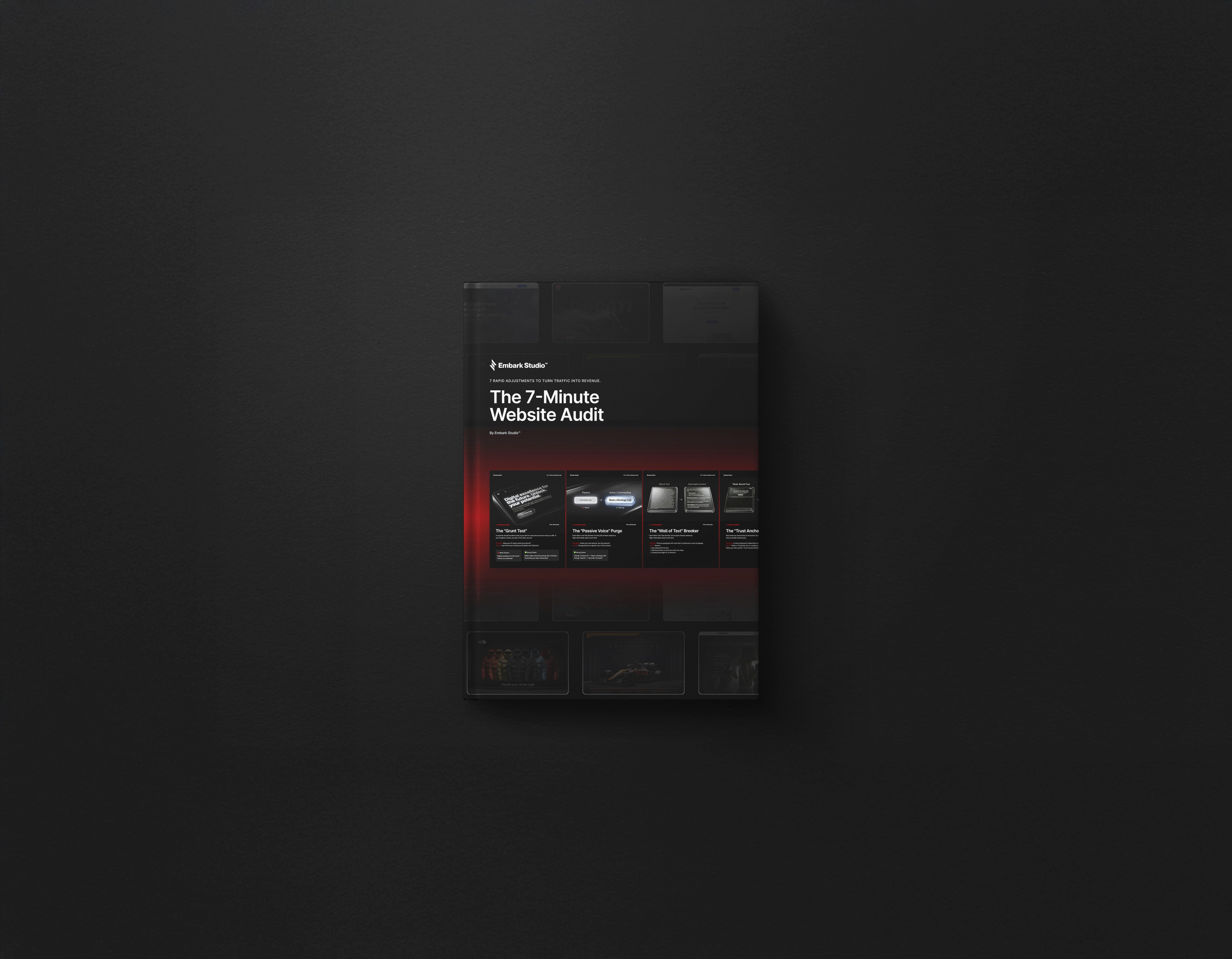
7-Minute Website Fix Guide
Instant, high-impact fixes to improve clarity, trust, and conversions on your website.
Advanced Website Audit ($995)
A professional teardown of your current website with a prioritized action plan.
View Our Services
Fast, high-quality Framer builds or Product Design to help startups ship and scale confidently.
Design Resources
Premium components, frameworks, and overrides for faster, better builds.
Master B2B brand strategy for 2026 with expert insights on capital efficiency, design as an asset, differentiation, and proven frameworks to elevate your brand.
In 2026, B2B brands that fail to adapt are not just invisible, they are obsolete. Capital efficiency and visual equity now drive market position, and the difference between a premium site and a generic template can be millions in valuation.
This guide provides enterprise leaders with a b2b brand strategy built for speed, trust, and financial impact. You will learn how design operates as an asset class, not an expense, and why operational speed is the new currency for Series B growth.
Discover expert frameworks for differentiation, metrics that move the boardroom, and the systems to operationalize a high-velocity brand. Apply these insights to elevate your brand’s value and outpace the competition.
The New B2B Brand Imperative: Beyond Logos to Capital Efficiency
A new mandate is reshaping the conversation around b2b brand strategy. For enterprise VPs and Series B founders, brand is no longer a cost center. It is a capital-efficient asset class. The winners are those who turn design into operational speed and visual equity that directly impact company valuation.
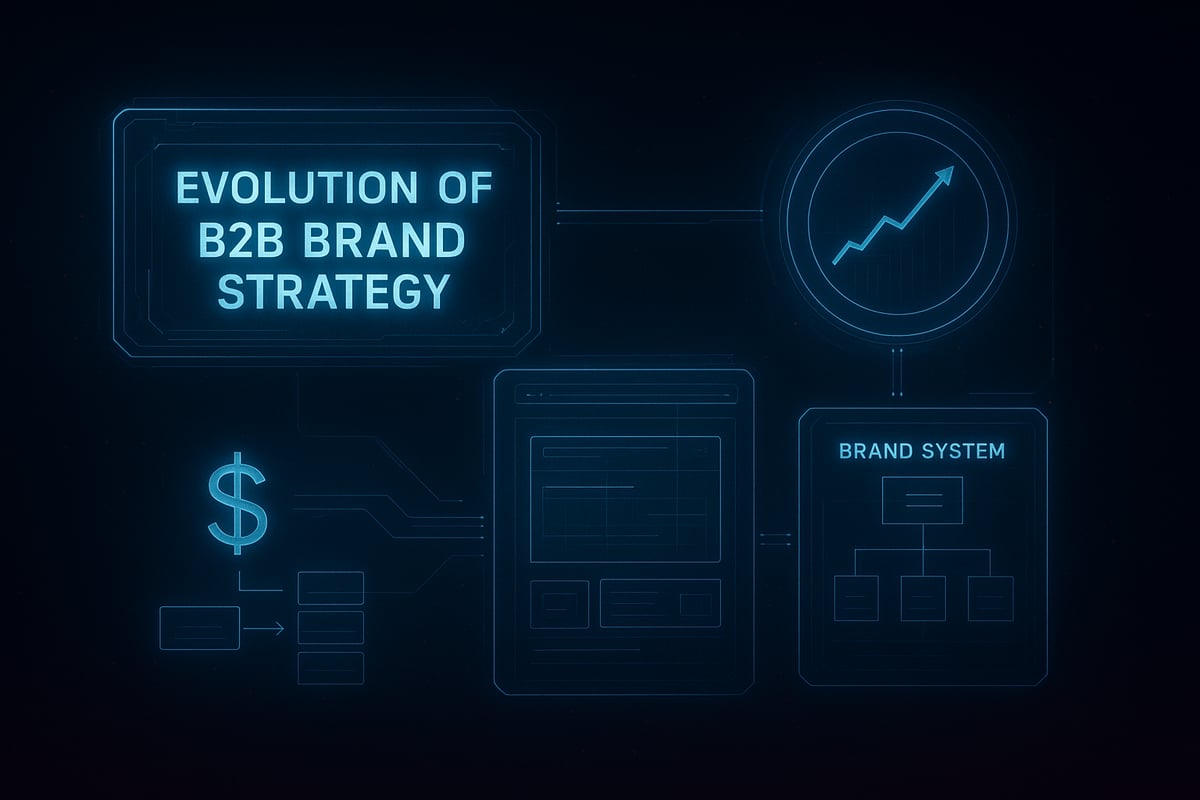
Why Brand is a Financial Lever, Not a Cost Center
B2B brand strategy is now a board-level priority. Premium design is a financial lever that compounds visual equity and accelerates capital efficiency.
86% of CMOs reported brand strategy as a top board concern in 2023.
SaaS companies with strong brand equity raise Series B rounds 25% faster.
70% of enterprise buyers cite website design as their top trust signal.
Relying on generic templates erodes trust and lowers deal velocity. Every visual touchpoint reflects operational excellence or exposes weakness. Investing in high-fidelity design pays off in lower CAC and higher LTV. For foundational principles, see the Branding pages guide for building presence that drives measurable results.
The Enemy: Inefficiency, Fragmentation, and Slow Execution
Traditional agencies are stuck with fragmented teams and 3 month timelines. This inefficiency is the enemy of modern b2b brand strategy. Siloed processes and inconsistent messaging slow execution, costing revenue and market position.
62% of B2B CMOs report revenue loss from brand fragmentation.
Legacy models inflate costs and delay launches.
Challenger brands are outpacing incumbents by deploying new brand assets in under 2 weeks.
Speed without fidelity is a myth. Virtual studios outperform traditional agencies by combining operational speed with uncompromising quality. The new standard: launch, iterate, and scale while maintaining a cohesive narrative.
The Strategic Role of Visual Equity in 2026
Visual equity is the compounding value of premium, consistent design. In b2b brand strategy, it is both a moat and a financial signal to the market.
AI-generated visuals accelerate differentiation and cut time to market. Consistent branding increases revenue by more than 20 percent. High-fidelity design supports enterprise sales cycles and builds multi-stakeholder trust.
Visual Equity Impact | Metric | Example |
|---|---|---|
Revenue Increase | 20%+ | Consistent branding |
Investor Interest | +40% | Capital Lynk rebrand |
Engagement Lift | 35% | AI-driven visuals |
Capital Lynk’s rebrand drove a 40 percent increase in inbound investor interest. Track visual equity by monitoring engagement, conversion, and brand recall. In 2026, brand is a system, not a one-off project. Premium design is how you defend market position and maximize valuation.
Step 1: Diagnose and Position—Own a Distinct Market Narrative
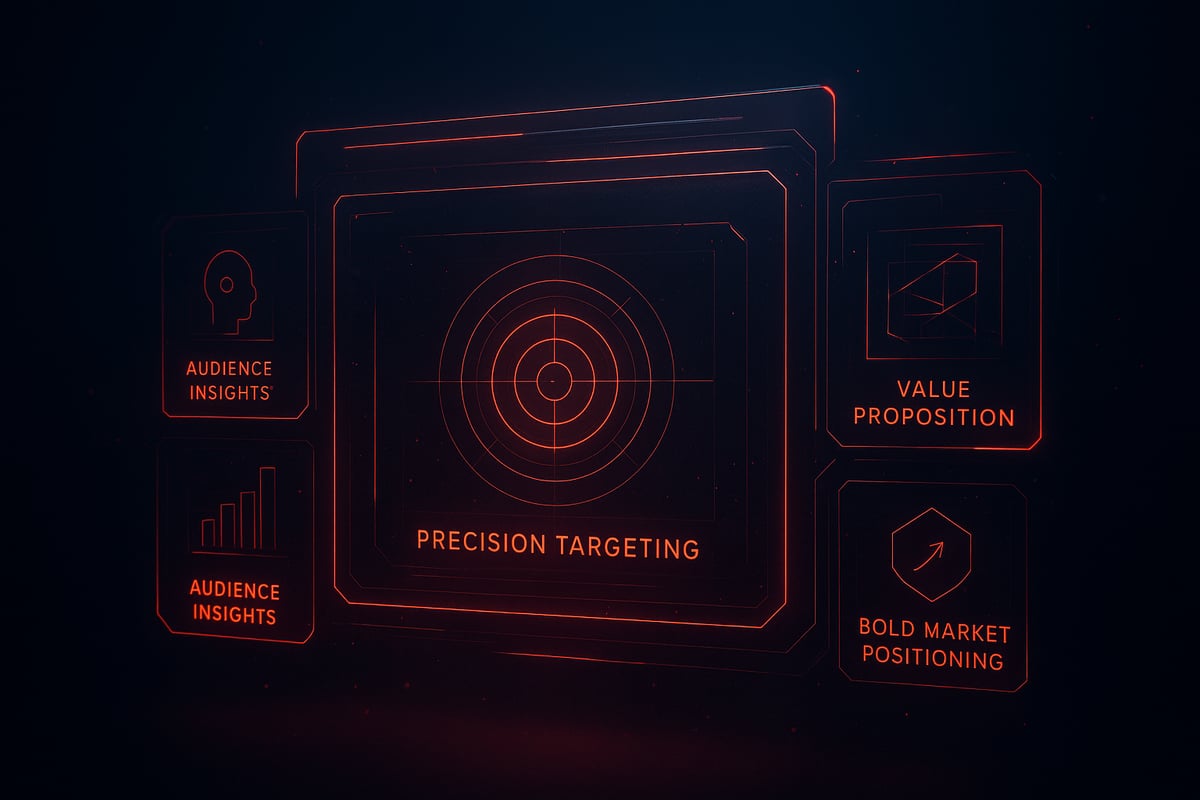
Market Research: Precision Targeting for the 2026 Landscape
Effective b2b brand strategy starts with precision. The days of relying solely on firmographics are gone. Elite brands now map intent signals, behavioral data, and psychographics to target segments with surgical accuracy.
AI-powered tools reveal whitespace and competitor blind spots, making market research a strategic asset. According to B2B Marketing Statistics for 2025, 59% of CMOs cite improved audience understanding as the main driver behind recent growth.
Enterprise buyers are motivated by both emotional and rational factors. Sustainability, operational transparency, and risk mitigation are rising purchase drivers. Brands that align messaging with these priorities outperform on trust and deal velocity.
Precision research is not optional. It is the foundation for a b2b brand strategy that delivers capital efficiency and market position.
Positioning: Dare to Be Distinct, Not Just “Better”
Standing out in the b2b brand strategy arena requires more than incremental improvement. Only 38% of CMOs believe their brands are truly differentiated. The rest are trapped in “me-too” messaging, losing ground to challengers with bold narratives.
Market leaders distill their core into a simple, memorable brand story. The 8-word framework clarifies purpose for internal teams and external audiences alike. Consider Wasabi’s “hot cloud storage”—clear, defensible, and easy to recall.
Clarity always beats cleverness. In multi-stakeholder sales, over-complexity delays deals and dilutes trust. Challenger brands win by owning a distinct narrative that commands attention and drives operational speed.
Crafting a Value Proposition That Closes Deals
In b2b brand strategy, the value proposition is the linchpin for capital-efficient growth. Long enterprise sales cycles demand messaging that aligns with both C-suite and end-user priorities.
Consistent, well-voiced value propositions accelerate B2B sales by 15%
Specificity and proof points separate leaders from commodity players
A premium website redesign signals operational excellence and trust. Visual equity here is not a cost—it is an asset that drives higher conversions and valuation. SADA’s “Together, We’re All In” is a strong example, reinforcing customer lifetime value and market position.
Every team member must articulate the brand promise. Internal alignment ensures the value proposition is delivered with fidelity across all touchpoints. AI-driven messaging optimization tools enable real-time feedback, allowing rapid iteration and improved resonance.
A high-fidelity value proposition transforms b2b brand strategy from a checkbox to a financial lever, supporting capital efficiency, visual equity, and enduring market position.
Step 2: Architect the Visual System—Design as a Strategic Asset
Design is now an asset class. For any b2b brand strategy to deliver capital efficiency and market position, premium design must move beyond aesthetics. It becomes the trust signal that accelerates sales, reduces CAC, and boosts valuation.
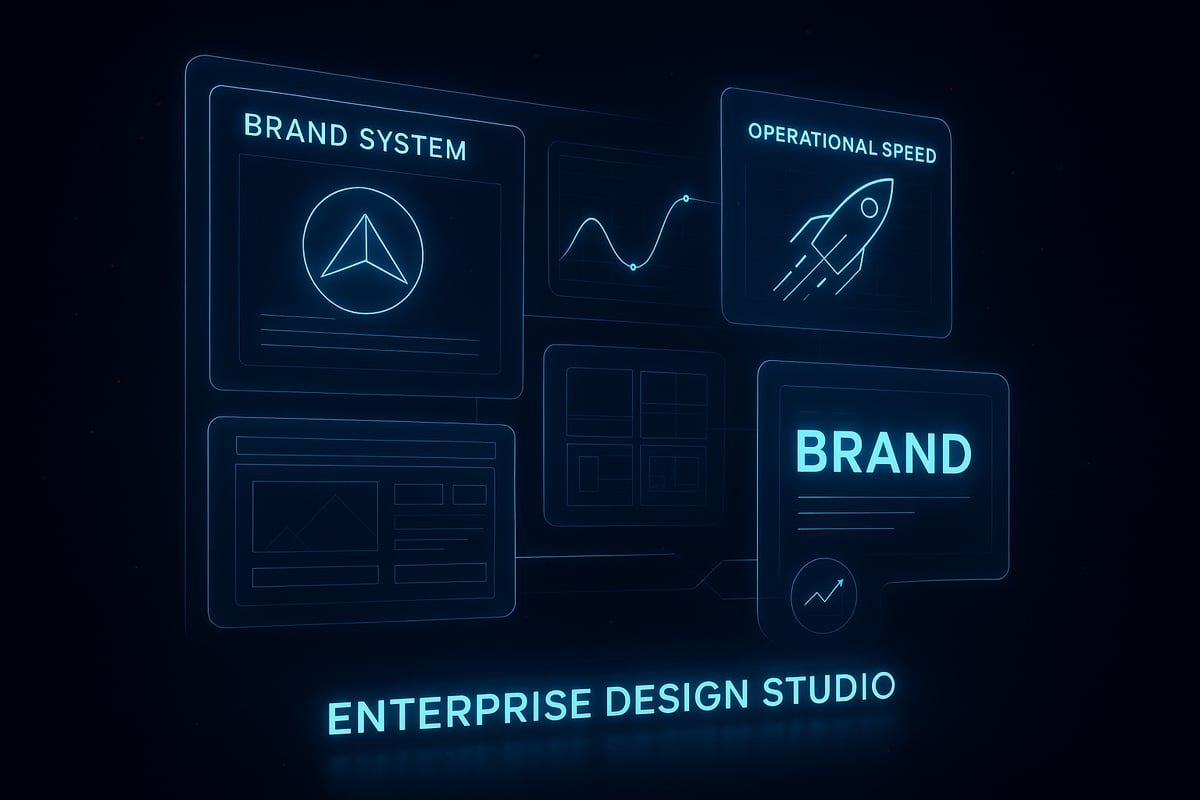
Building Visual Equity: From Identity to Digital Experience
Visual equity is not simply a logo or palette. It is the compounding value of premium, consistent design across every customer touchpoint.
70% of B2B buyers include design on their shortlist criteria.
Consistent visuals become a proxy for operational excellence and market trust.
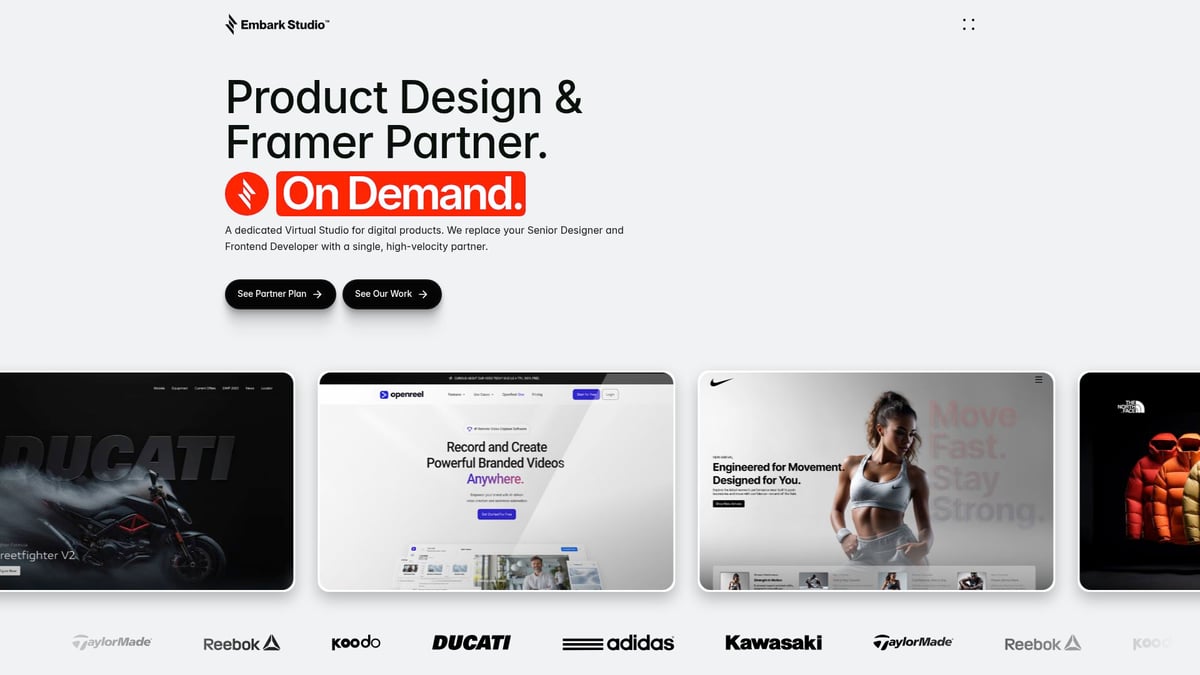
Ducati’s cinematic web redesign increased perceived value and engagement.
Fragmented or templated visuals erode trust and slow deal cycles. In a modern b2b brand strategy, every asset—site, product, sales deck—must reinforce a unified story. Visual equity supports complex sales cycles and builds multi-stakeholder confidence.
A premium digital experience is not an expense, it is a financial lever. Companies that invest in visual equity see faster fundraising and stronger investor perception.
High-Velocity Infrastructure: Operationalizing Brand at Scale
Legacy agency models are too slow for b2b brand strategy. Virtual studios leverage Framer-powered design systems and async-first workflows to eliminate bottlenecks.
48-hour average turnaround on design requests.
Flat, transparent pricing replaces bloated retainers.
OpenReel shipped a full UI overhaul in 2 weeks, outperforming industry norms by 80%.
This operational speed means faster go-to-market and capital efficiency. Consistent design systems reduce risk and drive growth. For a blueprint on how design systems drive efficiency and brand consistency at scale, explore Design systems in branding.
Virtual studios create measurable business value by making premium design assets accessible and repeatable. Brand is no longer a static project, but a living, operational asset.
AI Visuals: The Next Frontier in Differentiation
AI-generated imagery is redefining what is possible in b2b brand strategy. Brands can now produce unique, on-brand assets at scale—no more reliance on stock visuals or generic templates.
Brands using AI visuals report 35% higher engagement rates.
Capital Lynk’s AI-driven visual overhaul led to a 40% increase in inbound investor interest.
AI integration accelerates time-to-market and amplifies differentiation.
Governance is critical. AI must support brand safety and consistency, not create new fragmentation. The right balance of automation and oversight turns AI into a lever for both operational speed and visual equity.
In 2026, design is the moat. The companies that operationalize high-fidelity visual systems will lead in capital efficiency and valuation.
Step 3: Operationalize Consistency—Brand Systems for Multi-Stakeholder Trust
Capital efficiency in b2b brand strategy hinges on more than a logo refresh. To build trust and maximize valuation, enterprise leaders must operationalize consistency across every touchpoint. Design is an asset class, and a codified, scalable brand system is the foundation for market position and investor confidence.
Codifying Brand Guidelines for the Modern Enterprise
Static PDFs are obsolete. Modern b2b brand strategy requires dynamic, living brand guidelines that adapt as your business scales. These guidelines must integrate messaging, visual, and UX standards in a single, accessible hub.
Companies deploying Notion or Slack-native guidelines achieve 20 percent faster onboarding for new hires.
Distributed teams need real-time updates, not outdated documentation.
Example: SaaS brands using collaborative platforms to keep design and content in sync.
AI-powered tools now allow for instant updates and automated compliance checks, further accelerating operational speed. For a deeper dive into the role of AI in elevating consistency and visual equity, see AI website design strategies.
Winning brands treat their guidelines as a strategic asset, not an afterthought. This approach is the only way to ensure every stakeholder delivers a unified, high-fidelity brand experience.
Orchestrating Brand Across Channels and Touchpoints
Omnichannel consistency is non-negotiable for b2b brand strategy. Every digital and physical interaction—from web to product, sales to support—must reinforce one narrative.
Inconsistent branding leads to 23 percent lower customer retention.
Automated QA tools catch off-brand visuals or messaging before launch.
Internal platforms embed brand into UI/UX, making design the backbone of product experience.
Multi-channel campaigns should be orchestrated to ensure that no matter where a stakeholder interacts, the experience is coherent and premium. High-velocity infrastructure, such as Framer-powered systems, enable rapid asset deployment and iteration, eliminating bottlenecks found in legacy agency models.
Operational speed is a competitive advantage. When every touchpoint reflects the same story, trust compounds and valuation rises.
Measuring Brand Consistency and Impact
Accountability is non-negotiable. Consistent b2b brand strategy demands rigorous, data-driven measurement.
Key KPIs to track:
Metric | Impact |
|---|---|
Brand Recall | Pipeline velocity |
Engagement | Conversion rates |
Consistency Score | Revenue lift |
62 percent of B2B CMOs report revenue loss from fragmented brand experiences.
Brands that course-corrected inconsistencies saw 18 percent revenue growth.
Continuous audits, stakeholder surveys, and real-time analytics expose weak points.
Brand is not a project, it is a living system. Ongoing governance and feedback loops ensure your brand remains a financial lever, not a liability. In the end, market position and capital efficiency are won by those who treat consistency as a strategic discipline.
Step 4: Accelerate Brand Velocity—From Strategy to Execution in Weeks, Not Months
Building a defensible market position in B2B is no longer about who spends the most. Today, capital efficiency and operational speed define winners. The highest-performing brands treat design as an asset class, not a cost center. When you make every visual touchpoint a lever for trust, you directly impact company valuation.
The Virtual Studio Model: Capital-Efficient Brand Building
Traditional agencies operate at a glacial pace. Three-month timelines, unnecessary layers, and junior handoffs stall momentum and erode capital efficiency. By contrast, the virtual studio model is engineered for speed and market impact. Senior strategists, product architects, and design leads work directly with you to deliver premium results in two weeks or less.
Direct access to senior talent
Async-first, Slack-native workflows for continuous progress
Flat, transparent pricing that aligns with capital planning
Every element in this system is designed to maximize operational speed. In the context of b2b brand strategy, visuals signal trust and market position. If your site looks like a template, investors discount your valuation. Virtual studios empower you to bypass inefficiency and deliver high-fidelity Visual Equity at scale.
Why High-Velocity Brand Systems Outperform Traditional Agencies
Legacy agencies still rely on bloated retainers and waterfall processes. The result: slow iteration, missed opportunities, and diluted messaging. Virtual studios flip the script, offering rapid onboarding and immediate output. Speed is not just a metric, it is a competitive advantage.
48-hour turnaround per design request
No meetings, just output—deep work happens asynchronously
Predictable delivery cycles for investor-grade launches
According to B2B Marketing Stats for 2025, brands that embrace agile infrastructure and high-velocity creative processes consistently outperform laggards on pipeline velocity and brand recall. For a b2b brand strategy to drive valuation, operational speed must be embedded in your system, not bolted on as an afterthought.
Launch, Test, Iterate: The Experimentation Mindset
Brand is not static. Treat every launch as an experiment. A/B test messaging, visuals, and conversion flows. Use real-time feedback from sales, support, and analytics to refine your narrative and asset mix. Brands that run frequent experiments grow 30 percent faster.
Continuous feedback loops across teams
Rapid prototyping with AI for faster market validation
Governance frameworks to protect brand integrity
A high-velocity b2b brand strategy is not a one-off project. It is a living system that evolves with your market, driving capital efficiency and maximizing visual equity. The brands that operationalize this mindset will outpace competitors and command premium valuations.
Step 5: Metrics That Matter—Measuring Brand Impact on Revenue and Valuation
A premium website is a financial lever, not a vanity project. Measuring the impact of b2b brand strategy on revenue and valuation is non negotiable for any enterprise aiming to maximize capital efficiency. Visual equity, operational speed, and consistent brand execution all demand real, board level metrics.
Defining Success: Brand KPIs for the Modern Enterprise
Success in b2b brand strategy is defined by metrics that tie directly to company health and growth. The right KPIs not only track awareness but also connect design quality to financial outcomes.
Core metrics to monitor:
Brand awareness (market recall, share of voice)
Net Promoter Score (NPS)
Pipeline velocity (lead-to-opportunity speed)
Close rates and conversion rates
Visual equity: engagement, time on site, design-driven conversions
Consistent branding can increase revenue by over 20 percent, according to recent B2B Marketing Statistics 2025. Companies with premium design regularly command 15 percent higher valuations, making design a board-level conversation.
Tracking the impact of b2b brand strategy on fundraising is critical. Investors use visual signals as a proxy for operational excellence and market position.
Attribution: Connecting Brand to Pipeline and Revenue
Attribution reveals how b2b brand strategy drives pipeline velocity and revenue. For long B2B sales cycles, multi touch attribution is essential. It connects brand investments to every stage of the buyer journey.
Best practices include:
Aligning brand campaigns with sales and product KPIs
Using dashboards for real time monitoring of brand performance
Focusing on pipeline movement, not vanity metrics
Companies with unified brand and GTM strategies see pipeline movement accelerate by 25 percent. Data visualization tools allow leaders to see which assets and campaigns drive the most qualified opportunities. Avoid the trap of measuring outputs instead of outcomes—capital efficiency depends on clarity.
The Executive Dashboard: Reporting Brand ROI to the C-Suite
The executive dashboard translates b2b brand strategy into boardroom language. Decision makers need to see the connection between design investment and financial performance at a glance.
Key reporting features:
Capital efficiency metrics: LTV CAC, ARR impact
Real time visual dashboards for oversight
Brand driven revenue and valuation outcomes
Monthly, quarterly, and annual brand health reviews
For example, a SaaS company reported a 40 percent increase in qualified pipeline post rebrand, directly tied to improved visual equity and operational speed. Brand performance must be owned and continuously optimized—assign clear accountability within the org chart.
Brand is a system, not a one time project. Ongoing governance, iteration, and real time reporting ensure that b2b brand strategy remains a financial lever for valuation and growth.
If you’re ready to move beyond generic branding and want to build a B2B brand that actually drives growth, you’re not alone. We’ve seen how design, speed, and strategic consistency make all the difference—especially for startups looking to scale fast. Maybe you’ve got questions about your market narrative, visual equity, or how to operationalize a high-velocity brand system. Let’s map out what’s possible together. You can Book a Free Discovery Call and get expert insights tailored to your growth goals—no pressure, just real strategies to help you get ahead in 2026.

Blog / Newsletter